

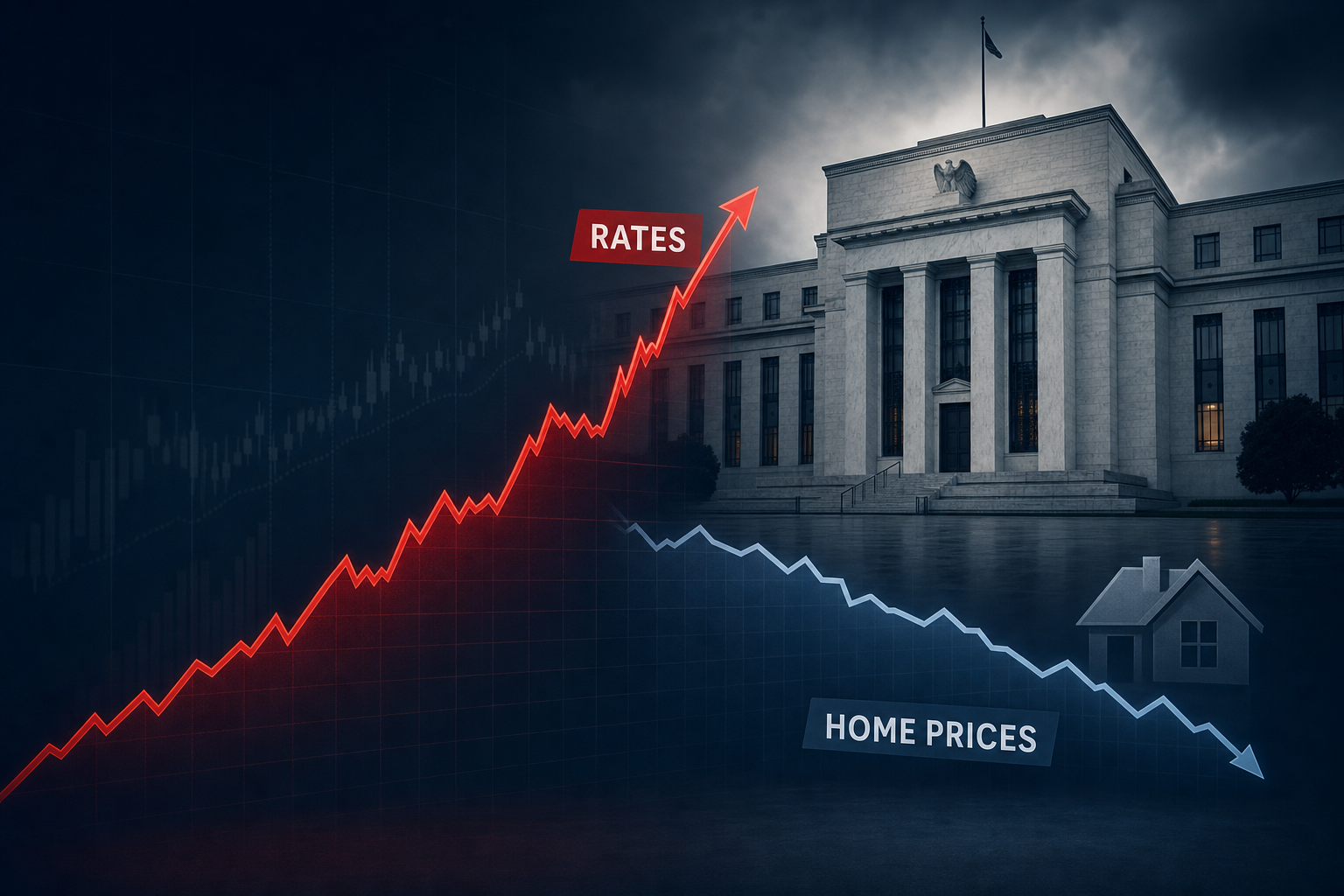
The Federal Reserve’s latest decision gave the real estate market a clear reminder: affordability is still the story.
On September 16, the Federal Open Market Committee voted unanimously to raise the federal funds rate by a quarter point, moving the target range to 3.75% to 4.00%. The Fed pointed to solid economic activity, resilient consumer spending, steady employment, strong productivity, and robust capital investment. But the reason for the hike was simple. Inflation is still elevated, and the Fed wants to bring it back toward its 2% goal.
That message matters for anyone trying to buy, sell, lease, invest, or refinance real estate right now.
At the same time, political pressure is building. President Trump is calling for much lower interest rates, arguing that rates should fall to 1% or less. Those headlines are getting attention, especially from consumers hoping mortgage rates will drop quickly. But the Fed’s statement shows a different reality. Policymakers are still prioritizing inflation, and they are not signaling that borrowing costs are about to become easy overnight.
For consumers, the impact is straightforward. Higher interest rates can make borrowing more expensive. That can affect mortgage payments, credit cards, auto loans, business loans, and lines of credit. Savers may benefit from better returns, but buyers who rely on financing feel the pressure immediately.
In housing, the Fed does not directly set mortgage rates. Mortgage rates are influenced by bond markets, inflation expectations, lender pricing, investor demand, and broader economic conditions. Still, when the Fed takes a tougher stance on inflation, it usually keeps pressure on borrowing costs. That is why buyers cannot build their entire plan around the hope that rates will suddenly fall.
Why this matters for residential buyers
For residential buyers, affordability needs to be measured carefully. The payment matters more than the headline price. Taxes, insurance, HOA dues, repairs, and loan structure all need to be part of the conversation before making an offer.
When borrowing costs rise, buyers need to know exactly what they can afford, how much cash they need to close, and which concessions could improve the monthly payment. That may include seller-paid closing costs, repair credits, rate buydowns, price reductions, or more favorable timing.
Why this matters for commercial buyers
For commercial buyers, the stakes can be even higher. Interest rates affect debt service, cash flow, cap rates, investor returns, and the ability to reposition or improve a property. A small change in financing terms can change the entire performance of a deal.
That does not mean commercial buyers should disappear from the market. It means they should underwrite carefully, challenge assumptions, pressure-test financing options, and use current conditions to negotiate better terms where possible.
Higher rates can create negotiating room
Tighter conditions do not mean there are no opportunities. In many cases, they create more room for negotiation.
When rates rise, some buyers step back. Sellers may have fewer qualified offers. Developers, landlords, investors, and property owners may become more flexible if they need to move inventory, free up capital, or secure a committed buyer. That can open the door to stronger purchase prices, seller concessions, rate buydowns, repair credits, closing cost assistance, lease incentives, or more favorable deal terms.
“Whether someone is buying a home, a building, land, or an investment property, our job is to protect the consumer and help them make the strongest decision possible,” said Ty Williams, Broker and Founder of RJ Williams & Co. “That means negotiating hard on price, concessions, and terms, while also helping buyers work with lenders they trust. A good lender relationship matters, but consumers should still shop around, compare rates, and make sure they feel confident they are getting the best loan available. Real estate agents and brokers should be looking out for the client’s entire deal, not just the contract.”
The interest rate environment may be outside a buyer’s control, but the strategy is not.
A strong buyer can still improve the outcome by getting fully pre-approved, comparing lender options, understanding the monthly payment, asking for concessions where appropriate, and using market conditions to negotiate. A strong seller can still win by pricing realistically, preparing the property well, and understanding what today’s financed buyers need in order to move forward.
Waiting for a perfect market can cost you
The mistake is waiting for a perfect market. Perfect markets rarely announce themselves. By the time rates look comfortable again, competition may already be back, prices may have adjusted, and negotiation leverage may not be the same.
The better approach is to know the numbers now.
For buyers, that means asking: What can I afford today? What happens if rates improve later? What concessions could help my payment? Is the seller motivated? Can I refinance if the market changes? Am I working with a lender who explains the options clearly?
For sellers, it means asking: What does my buyer pool look like right now? Would a credit, buydown, or concession help attract stronger offers? Is my price aligned with the current financing environment? Am I making it easy for serious buyers to say yes?
The Fed’s latest move does not freeze the real estate market. It just raises the bar for preparation.
Consumers should not ignore rate headlines, but they also should not let those headlines make the decision for them. The right move depends on the property, the financing, the motivation on both sides, and the quality of the negotiation.
Rates matter. Terms matter too. In this market, the best results will come from buyers and sellers who understand both.
Sources reviewed: Federal Reserve FOMC statement dated September 16, 2026; CNBC coverage on President Trump, Kevin Warsh, and interest rates; The Hill coverage on President Trump’s demand for lower rates; PBS NewsHour consumer explainer on what the Fed rate hike likely means for households.
Explore the full article archive
Browse more RJ Williams & Company articles on buyer strategy, seller guidance, broker responsibility, market updates, commercial real estate, land, investing, and new construction.